 IvainderIvainder
Aguante reads the real retention curve of every video, lines it up second by second with the script and with what was on screen, and tells you where viewers left, why, and what to change in the next video. It runs every day on our own YouTube channels. It is an internal tool today and is not yet open to other creators.
The measured retention curve of one video, the stretches that fall outside the channel's norm, the sentence spoken and the shot on screen at each of them, and the channel's measured patterns.
Explain every drop, score the opening against five fixed criteria, write three alternative openings in the channel's language, and rank up to five changes for the next videos.
A stored reading per video, shown next to the measured data and labelled as a reading rather than a measurement, plus a daily report per channel.
The curve comes from YouTube Analytics. Each stretch is compared with what the same channel normally loses at that point, never with a generic benchmark.
For videos made with our own pipeline, Aguante knows the exact shot, graphic, caption and sentence at every second of a drop.
Claude reads the measured data, explains each drop, scores the opening against five fixed criteria and proposes three rewrites in the channel's language.
Across all videos: which kinds of scene, sentence and opening coincide with losing or holding viewers, with the number of videos behind every claim.
A zero-cost check of a finished edit or a script against the channel's own measured patterns.
Every new upload is followed from its first hours against how earlier videos of the channel did at the same age.
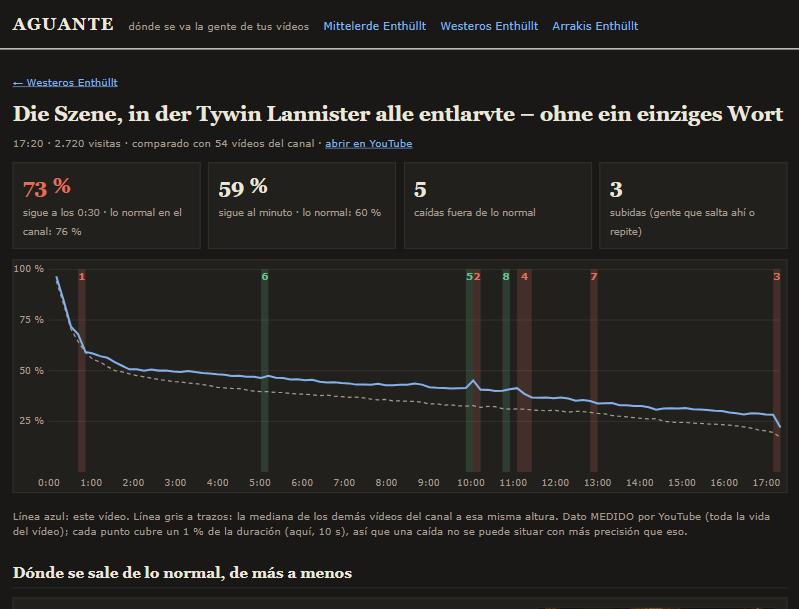
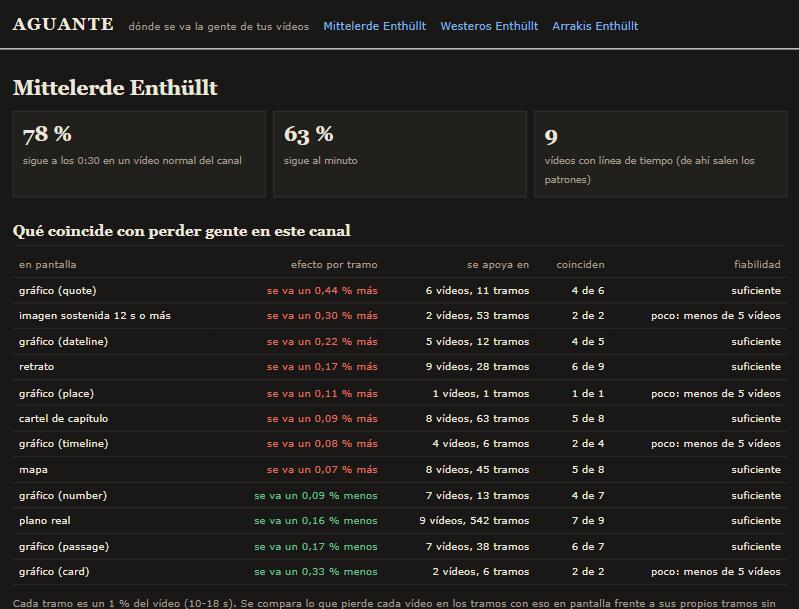
Built with Claude Code. Today the Claude calls run through a local Claude Code setup; the next step is moving them to the Claude API so Aguante can run as a hosted service for other creators.
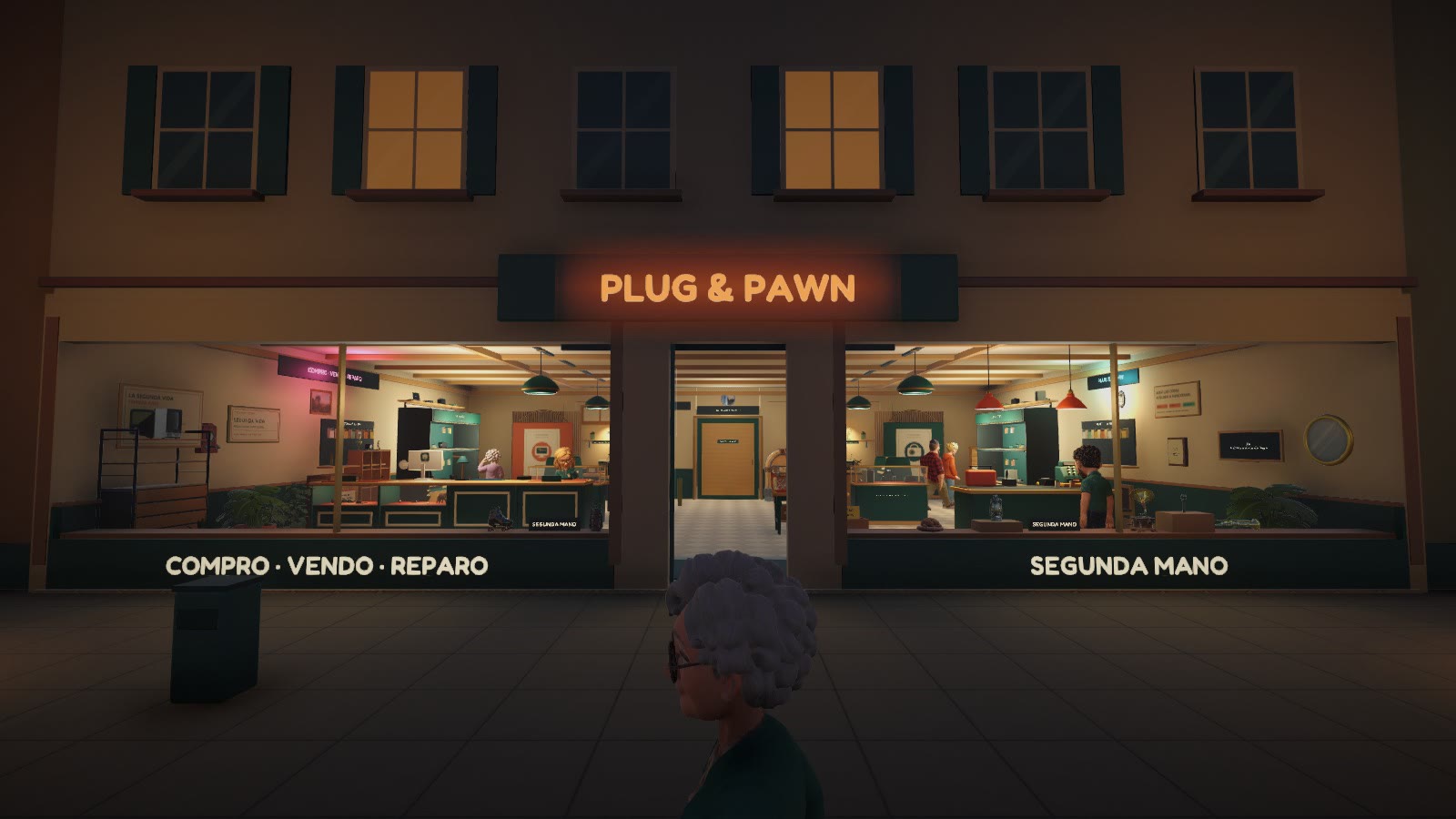
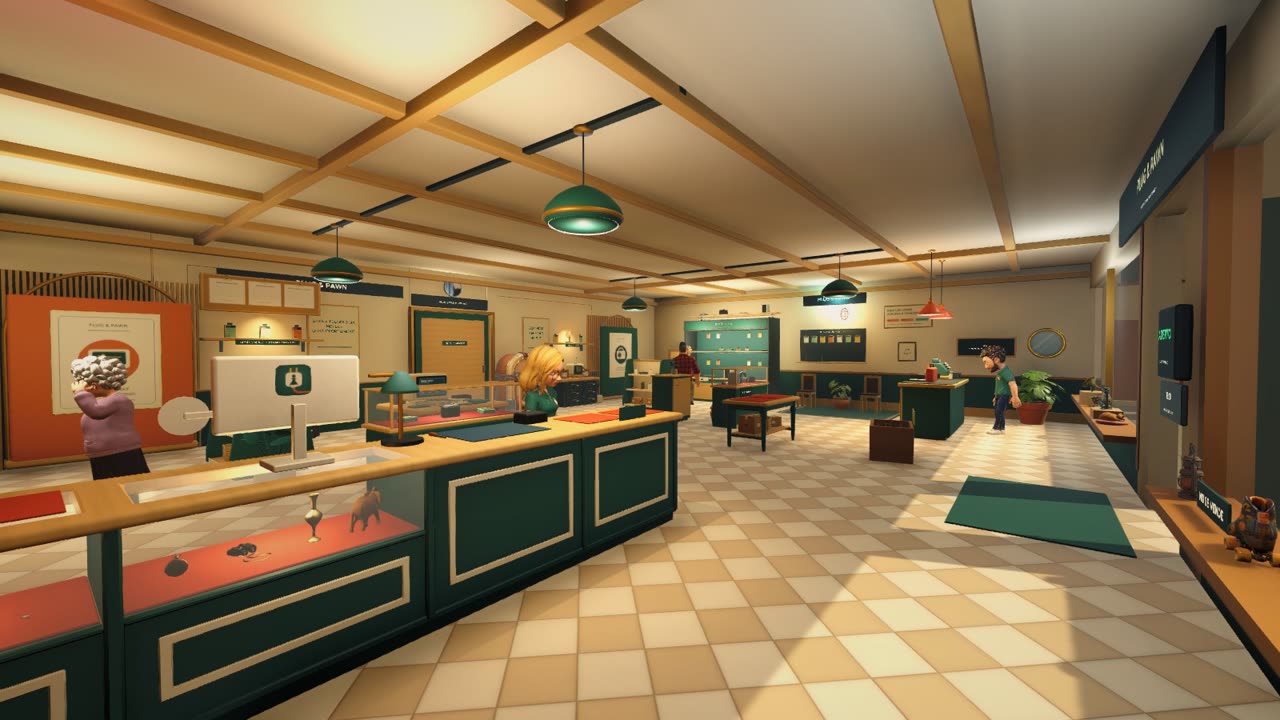
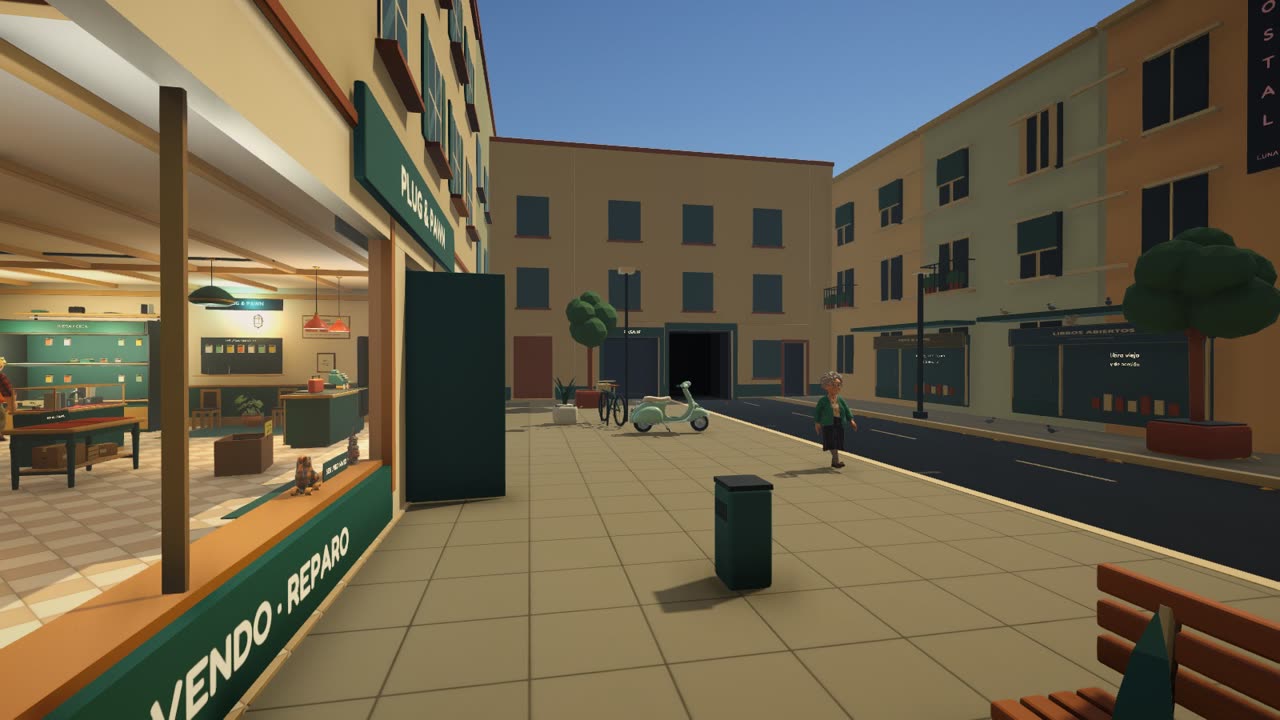
A first-person simulator about running a second-hand shop for retro tech. Buy from whoever walks in, haggle, test it, clean it, repair it at the bench, put a price on it and sell it — then go bid on a storage locker.
Plug & Pawn is a shop-and-craft simulator in the spirit of pawn-shop and storage-auction TV. It is a single-player, pay-once PC game with no ads and no in-game purchases.
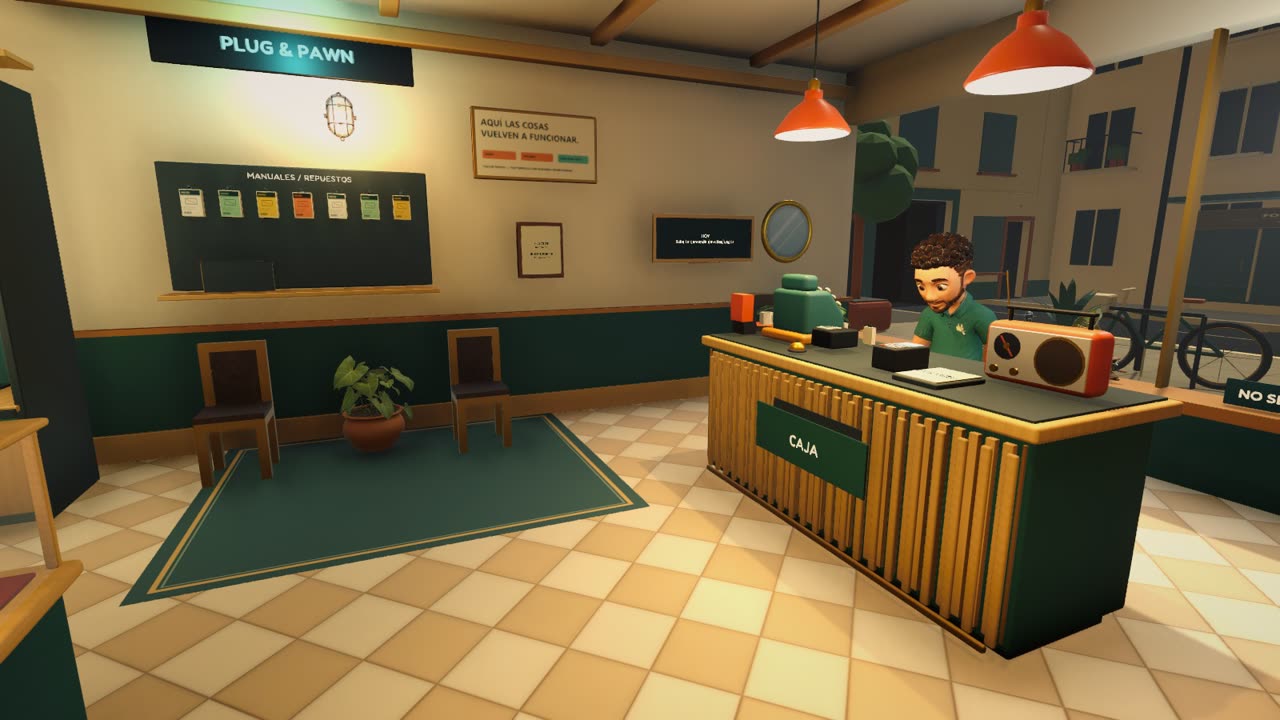
People walk in to sell. Read the item, read the seller, and name a price you can still profit from.
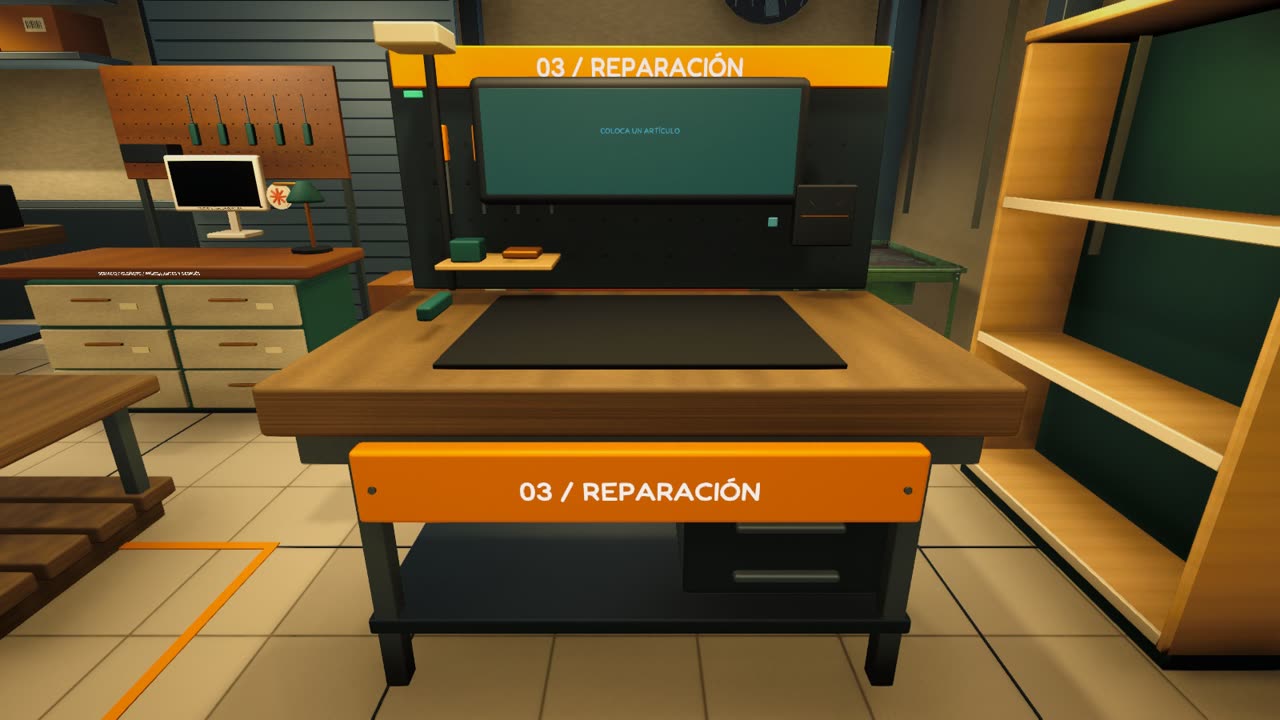
Everything goes through the workshop by hand before it reaches the shelf. A clean, working item sells better.
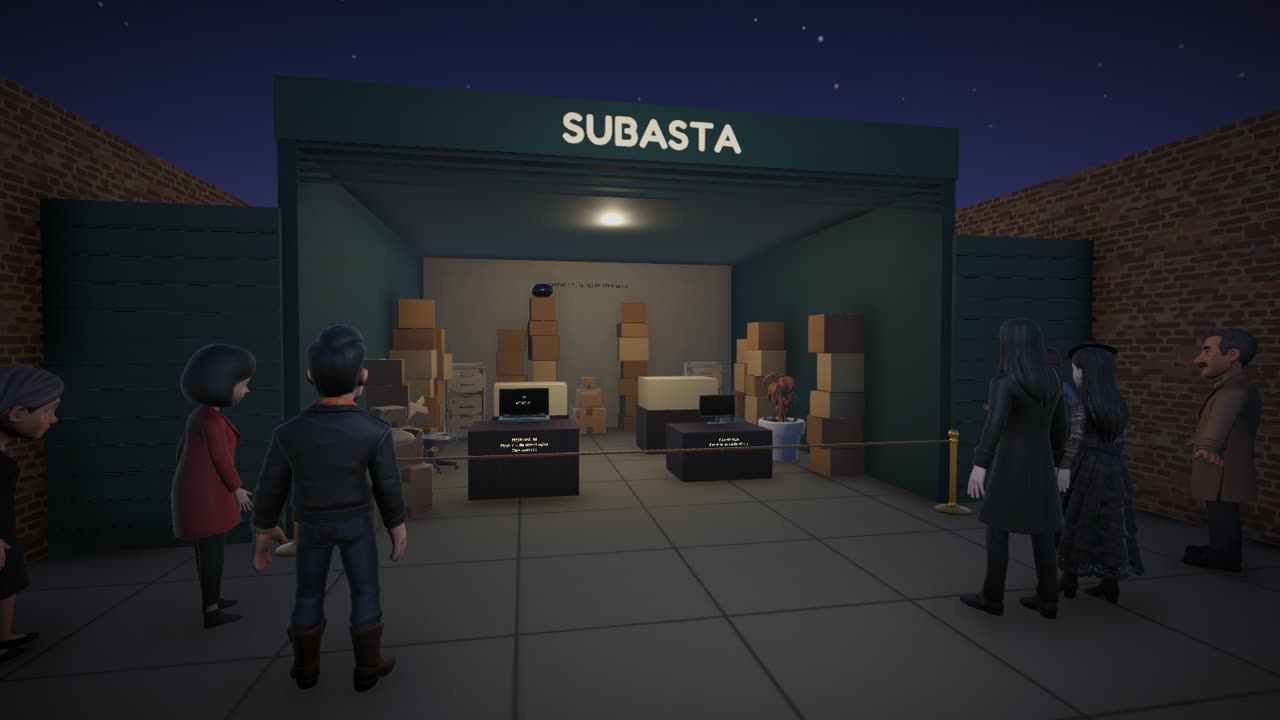
Bid on locked storage units against other buyers, and find out afterwards what you actually paid for.
93 different items, two employees, neighbours, day and night with weather, and a shop you decorate yourself.
Three seasons across 36 in-game days, three difficulty modes and three possible endings.
All text is written in Spanish with a full English table.
All images are captured from version 0.9 (October 2026). Nothing here is concept art.
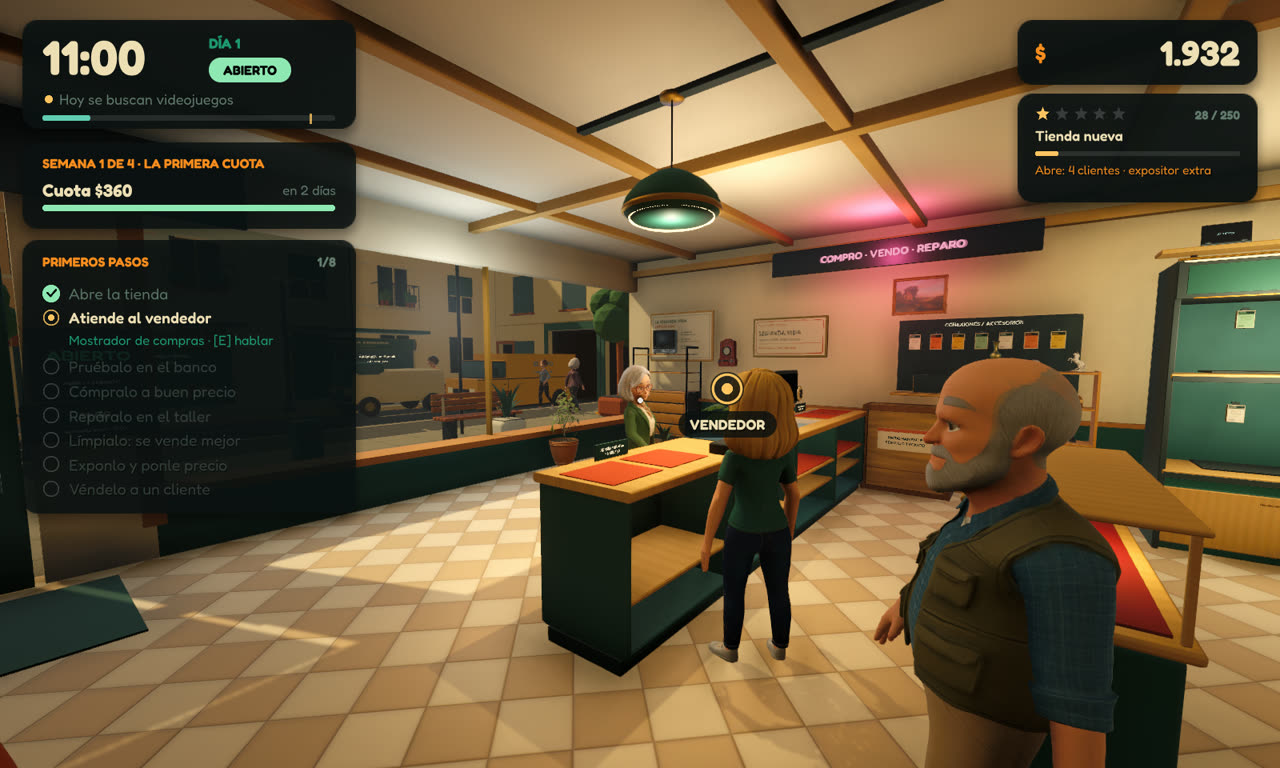
Ivainder has no programmers on staff. The founder designs, decides and playtests; the code is written with Claude Code. Plug & Pawn went from first commit to a build that plays from start to finish in twelve days.
Other tools: Unity 6.3 (URP), Blender 4.5, Meshy for characters and part of the 3D objects. Sound is synthesised in code or taken from CC0 packs (Kenney); textures are CC0 (Poly Haven, ambientCG). Plug & Pawn contains AI-generated code and assets, and will say so on its store page.
Plug & Pawn has not been released and has no release date yet. It is planned for Steam as a one-time purchase.
An independent, self-funded one-person studio based in Spain. Ivainder has produced AI-assisted YouTube channels since June 2025, builds its own tools on Claude (Aguante), and is developing its first game, Plug & Pawn.
Contact: [email protected]